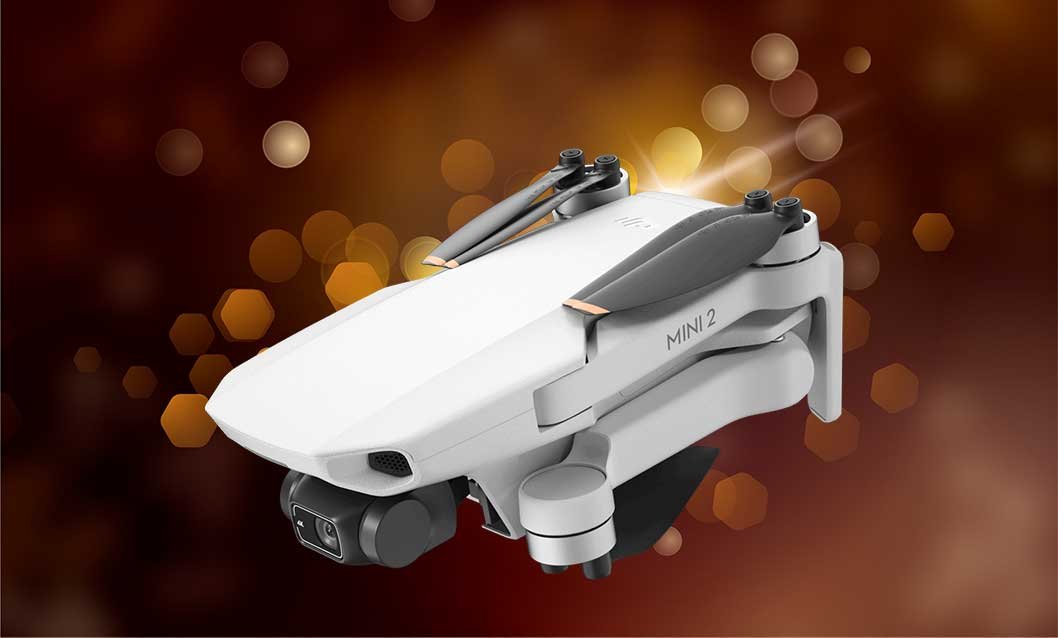
Drones and UAVs: Are They Really the Same Thing?
When people talk about flying robots in the sky, two words pop up again and again “drone” and “UAV.” Most of us use them interchangeably, and honestly, in everyday conversation, that’s fine. But if you’re stepping into the world of aviation, technology, or even just buying your first flying gadget, understanding the real difference between these terms can save you a lot of confusion, and might even change how you shop, research, or talk about this fast-growing industry.
What Exactly Is a UAV?
UAV stands for Unmanned Aerial Vehicle. This is the formal, technical term used by engineers, the military, and regulatory bodies like aviation authorities. A UAV refers to any aircraft that operates without a human pilot physically sitting inside it. This includes everything from massive military reconnaissance aircraft to small commercial delivery bots. The term UAV is broader and often includes the entire system the aircraft, the ground control station, communication links, and sometimes even the software that powers autonomous flight.
In official documents, you’ll also come across the term UAS, or Unmanned Aircraft System. This is technically the most complete term, since it accounts for every component that makes flight possible not just the vehicle in the air, but the operator, the control hardware, and the data link connecting them. Aviation authorities around the world increasingly favor UAS in legal and regulatory language because it leaves no ambiguity about what’s being governed.
What Is a Drone, Then?
The word “drone” is more of a popular, casual term. It originally referred to unmanned aircraft used by the military for target practice, but over time it became the go-to word for any small, remotely piloted flying device especially the camera-equipped quadcopters you see hobbyists flying in parks or professionals using for photography and videography.
So while every drone is technically a UAV, not every UAV is what people picture when they hear “drone.” A giant surveillance aircraft used by defense forces is a UAV, but nobody casually calls it a “drone” the way they would a DJI quadcopter. Interestingly, the word itself comes from the buzzing hum male bees make, a nod to the low droning sound many small unmanned aircraft produce while flying.
Key Differences at a Glance
- Terminology and Usage — UAV is the technical, industry-standard term. Drone is the informal, everyday word people use in casual conversation.
- Scope — UAV covers the complete unmanned system, including ground control and communication equipment. Drone usually refers just to the flying unit itself.
- Size and Purpose — UAVs range from tiny devices to enormous military-grade aircraft. Drones, in common usage, are typically smaller and used for photography, agriculture, delivery, or recreation.
- Autonomy Level — UAVs can be fully autonomous, semi-autonomous, or remotely piloted. Drones are often remotely controlled by an operator, though many modern ones also have autonomous features.
- Industry Context — UAV is preferred in defense, aerospace, and regulatory documentation. Drone is preferred in consumer marketing, journalism, and everyday speech.
How These Terms Are Used Across Industries
In agriculture, farmers use small UAVs, almost always called “drones” in this context, to monitor crop health, spray pesticides, and map field conditions from above. In filmmaking, drones have replaced expensive helicopter shots, giving directors cinematic aerial footage at a fraction of the cost. Delivery companies are experimenting with UAVs to drop packages at doorsteps, and here the more formal term UAV tends to appear in company press releases and regulatory filings, even though the public still calls them drones.
The defense sector is where the UAV terminology dominates almost completely. Military UAVs range from small reconnaissance units to large, long-endurance aircraft capable of surveillance and combat operations. In this world, precision of language matters because UAV classifications often determine which regulations, treaties, and safety protocols apply.
Why Does This Distinction Matter?
If you’re reading government regulations, aviation policies, or technical specifications, you’ll almost always encounter “UAV” or “UAS.” But if you’re shopping for a camera drone or reading a tech blog, “drone” is the word you’ll see everywhere.
Knowing this difference helps you communicate more precisely, especially in professional or legal contexts where the correct terminology actually matters. If you’re a business owner applying for a commercial flying permit, for instance, understanding that regulators use UAV or UAS language will help you navigate paperwork and compliance requirements far more smoothly than if you only think in terms of “drones.”
The Future of Unmanned Flight
As this technology matures, the line between UAV and drone terminology is likely to blur even further in public conversation, even as technical and legal documents continue to insist on precision. We’re already seeing autonomous delivery drones, AI-powered agricultural UAVs, and swarms of small aircraft coordinating tasks together. Whatever word ends up sticking in daily conversation, the underlying technology will keep advancing rapidly across every sector it touches.
Final Thoughts
At the end of the day, “UAV” and “drone” aren’t rival terms fighting for dominance they’re simply two ways of describing the same evolving technology, used in different settings. Whether you call it a UAV or a drone, one thing is certain: unmanned flying technology is reshaping industries from agriculture to filmmaking to national defense, and understanding the basic terminology is a great first step into this exciting field.